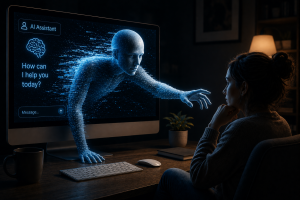

Artificial intelligence has entered daily life in remarkable ways. People use it for recipes, travel plans, writing assistance, and learning new skills. Mental health conversations have also become part of that landscape, leading many people to wonder whether AI can fill the role of a therapist.
AI can offer information, coping ideas, journaling prompts, and opportunities for reflection. For someone looking for quick guidance at midnight and a reminder of a grounding exercise during a stressful moment, technology can feel accessible and comforting.
Therapy involves far more than information sharing.
A therapist listens for subtle shifts in emotion, tone, body language, and patterns that unfold over time. Human connection creates a space where empathy, trust, and understanding grow through shared experiences and conversation. That relationship often becomes one of the most meaningful parts of the therapeutic process.
AI does not experience emotions, grief, joy, loss, or connection. It recognizes patterns in language and generates responses based on data rather than lived experience. Compassion in therapy comes from another person sitting with difficult emotions and helping create safety during vulnerable moments.
Mental health care also involves clinical judgment. Therapists assess risk, recognize crisis situations, and adapt interventions based on each person’s history, goals, culture, and environment. Treatment plans evolve as life changes, relationships shift, and new challenges emerge.
Privacy and ethical care also play an important role in therapy. Licensed professionals work within standards that protect clients and guide decision-making. Those safeguards form an important part of professional mental health care.
Technology can become a useful companion in mental wellness. It can support journaling, skill practice, psychoeducation, and reflection between sessions. Many people find value in using digital tools alongside professional care.
Healing grows through connection, validation, curiosity, and shared understanding. AI can contribute to that journey in meaningful ways, while the human relationship at the center of therapy remains uniquely powerful.
At Dialectical Living, we believe that skills matter, knowledge matters, and human connection matters. Technology continues to evolve, while compassionate care remains at the heart of lasting change.